Seasonal Office Cleaning Checklist: Preparing Your Boston Workplace for Winter
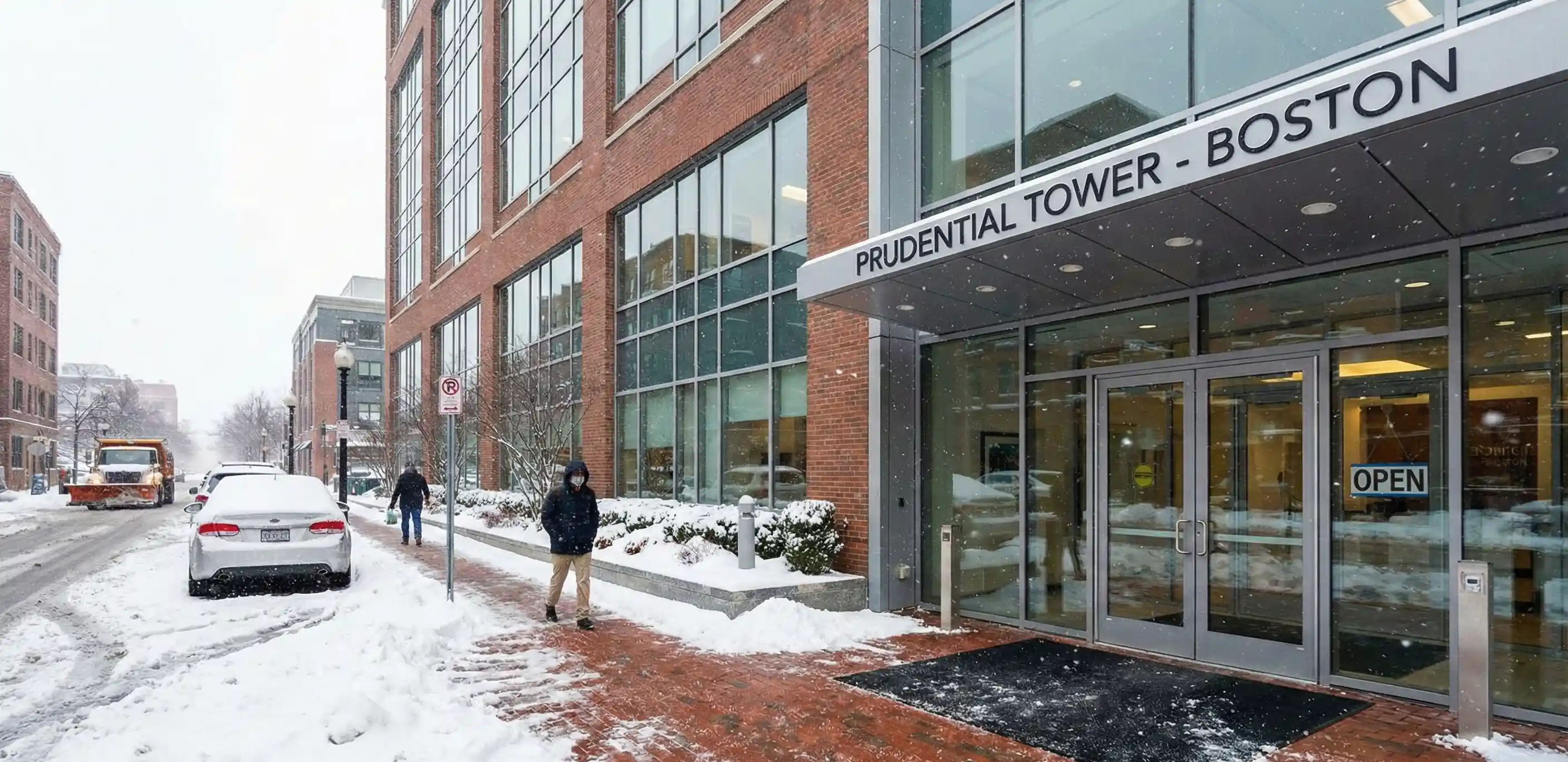
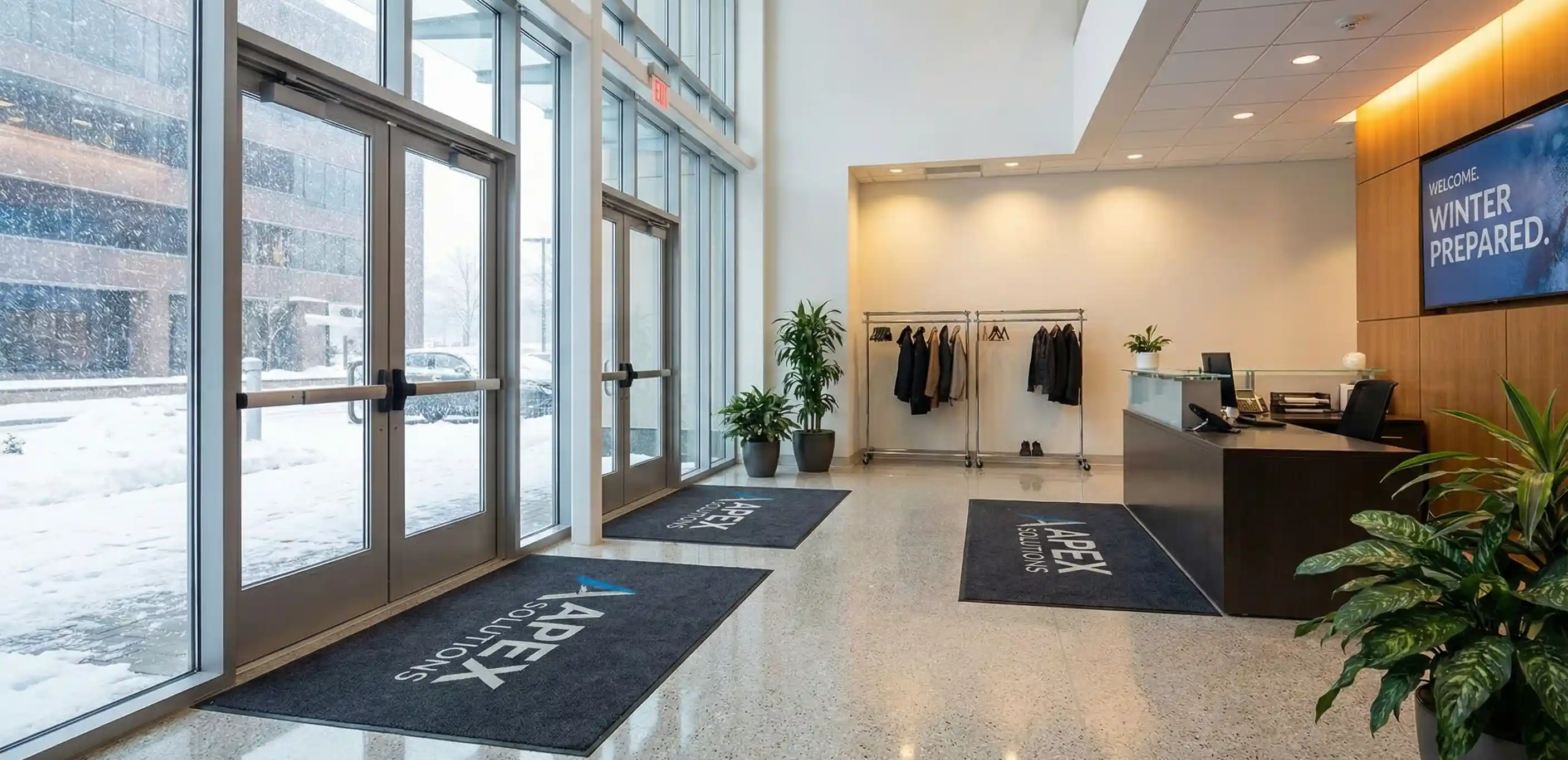
Boston winters are no joke. Between November and March, your office faces a relentless assault of snow, ice, road salt, slush, and the dreaded flu season. What looks like a pristine workspace in October can quickly become a grimy, salt-stained, germ-spreading environment by January. The good news? With proper preparation and a solid seasonal cleaning strategy, your workplace can stay clean, healthy, and professional throughout the harshest New England weather. Here's your complete winter office cleaning checklist for businesses in the Greater Boston Area.
Winter cleaning isn't just about aesthetics—it's about protecting your floors from permanent salt damage, preventing slip-and-fall accidents, reducing illness transmission during peak flu season, and maintaining the professional image your clients expect. According to the Occupational Safety and Health Administration (OSHA), winter weather creates unique workplace hazards that require proactive management. Whether you're managing an office in Boston, Cambridge, Quincy, or Weymouth, this checklist will help you tackle winter's toughest cleaning challenges.
In this comprehensive guide, we'll cover everything from entryway protection to HVAC maintenance, from flu season disinfection protocols to emergency storm cleanup. Each section includes actionable tips you can implement immediately, plus guidance on when to call in professional commercial cleaning services for the heavy lifting. Let's make sure your office is ready to weather the storm.
1. Entryway and Lobby Protection: Your First Line of Defense
Your building's entrance is ground zero for winter contamination. Every employee and visitor tracks in snow, ice, salt, sand, and slush—up to 85% of dirt in a building enters through the front door. Without proper protection, this debris spreads throughout your entire office within hours, damaging floors and creating slip hazards. The key to winter floor protection starts before contaminants reach your interior spaces.
Start with a high-quality commercial mat system. The EPA recommends at least 10-15 feet of walk-off matting to effectively capture debris. In Boston's severe winters, we recommend even more—ideally, enough matting for 6-8 steps. Use scraper mats outside to remove heavy snow and ice, followed by absorbent mats inside to capture moisture. These mats should be cleaned or replaced regularly throughout the season.
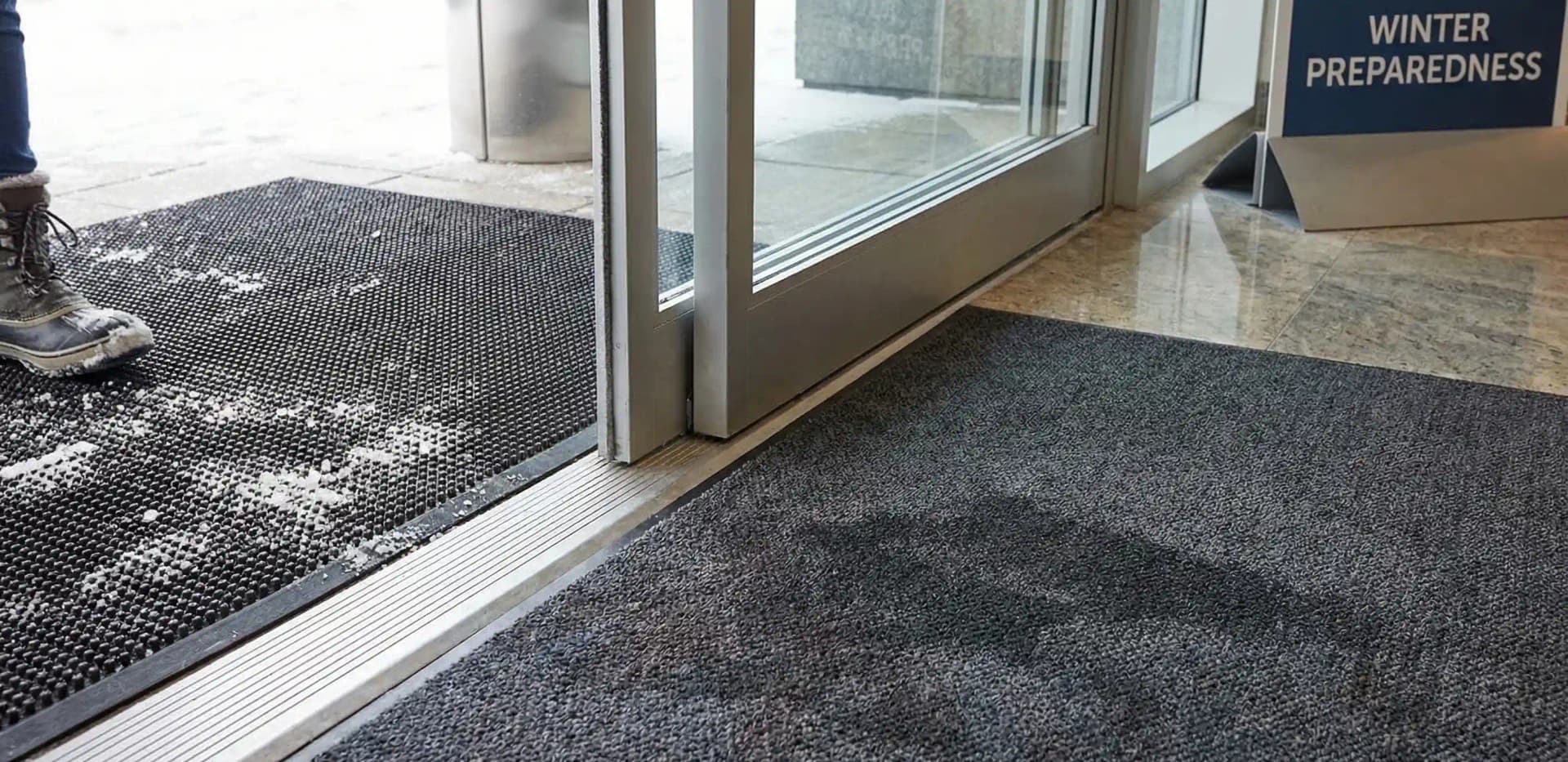
Entryway Cleaning Checklist:
- Install scraper mats at all exterior entrances
- Place absorbent interior mats (minimum 10-15 feet of coverage)
- Clean or shake out mats daily during active precipitation
- Mop lobby floors at least twice daily in winter
- Use salt-neutralizing floor cleaner (regular cleaners leave residue)
- Place umbrella stands and boot trays near entrances
- Post "Wet Floor" signage after cleaning
- Schedule professional mat cleaning weekly during peak winter
Don't underestimate the importance of lobby maintenance. Your entrance creates the first impression for clients and visitors. A slushy, salt-stained lobby signals neglect, while a clean, well-maintained entrance demonstrates professionalism. Our daily office cleaning services include multiple lobby cleanings during winter months to keep your entrance spotless throughout the day.
2. Salt Damage Prevention: Protecting Your Floors and Carpets
Road salt is your floors' worst enemy. While it keeps our Boston streets safe, calcium chloride and sodium chloride wreak havoc on interior surfaces. Salt creates white, crusty stains on carpets that become permanent if not addressed quickly. On hard floors, salt residue scratches surfaces, dulls finishes, and can even etch into stone and tile. The damage isn't just cosmetic—it's expensive to repair and can void flooring warranties.
The key to salt damage prevention is speed. Salt residue should be addressed within 24 hours before it crystallizes and bonds to flooring materials. Regular cleaning products won't cut it—you need specialized salt-neutralizing solutions that break down the chemical compounds. For carpeted areas, professional extraction cleaning is often necessary to remove salt that has penetrated deep into carpet fibers.
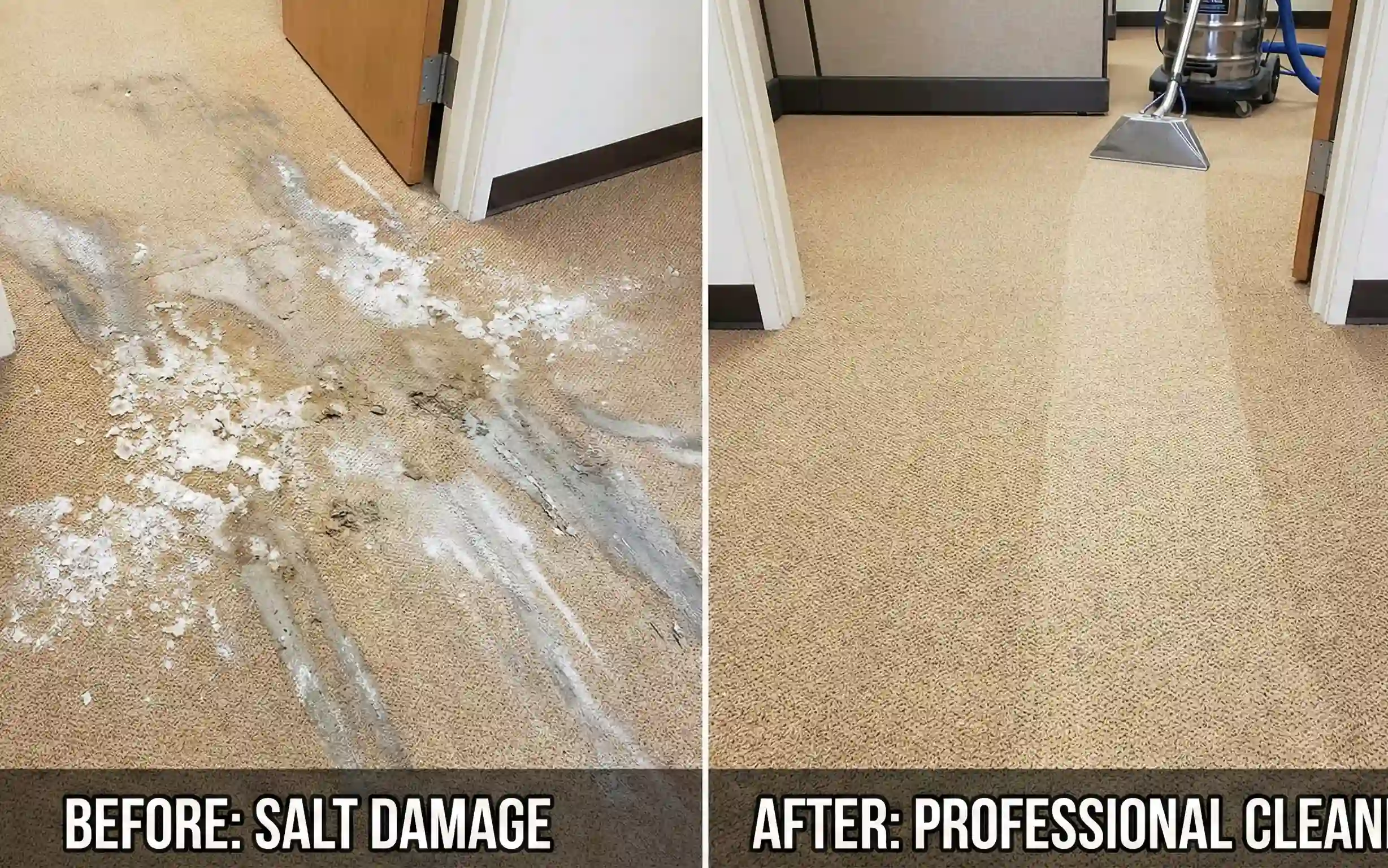
Salt Damage Prevention Protocol:
- Vacuum high-traffic areas daily to remove salt crystals before they dissolve
- Use salt-neutralizing cleaners on all hard floors (vinegar-based solutions work well)
- Spot-clean carpet salt stains immediately with warm water extraction
- Schedule professional carpet cleaning monthly during winter months
- Apply floor sealant to hard floors before winter season begins
- Focus cleaning efforts within 20 feet of all entrances
- Train staff to report salt tracking immediately
For businesses with significant foot traffic—retail locations, medical offices, or high-volume corporate spaces—we recommend weekly professional cleaning at minimum during winter. Our teams use commercial-grade salt neutralizers and hot water extraction equipment that reaches deep into carpet fibers, preventing the permanent damage that costs thousands to repair. We serve all types of commercial spaces across Greater Boston with winter-specific cleaning programs.
3. Flu Season Disinfection: Keeping Your Team Healthy
Winter is peak illness season, and your office is a breeding ground for transmission. The CDC reports that flu activity typically peaks between December and February—exactly when employees are spending more time indoors in close proximity. Add to that cold viruses, RSV, and other respiratory illnesses, and you have a recipe for skyrocketing sick days. The average office desk harbors 400 times more bacteria than a toilet seat, and that number increases significantly during winter.
The solution isn't just regular cleaning—it's strategic disinfection of high-touch surfaces multiple times throughout the day. Door handles, elevator buttons, shared equipment, and break room surfaces need special attention. Research from the National Institutes of Health shows that viruses can survive on surfaces for up to 72 hours, making regular disinfection essential for breaking transmission chains.
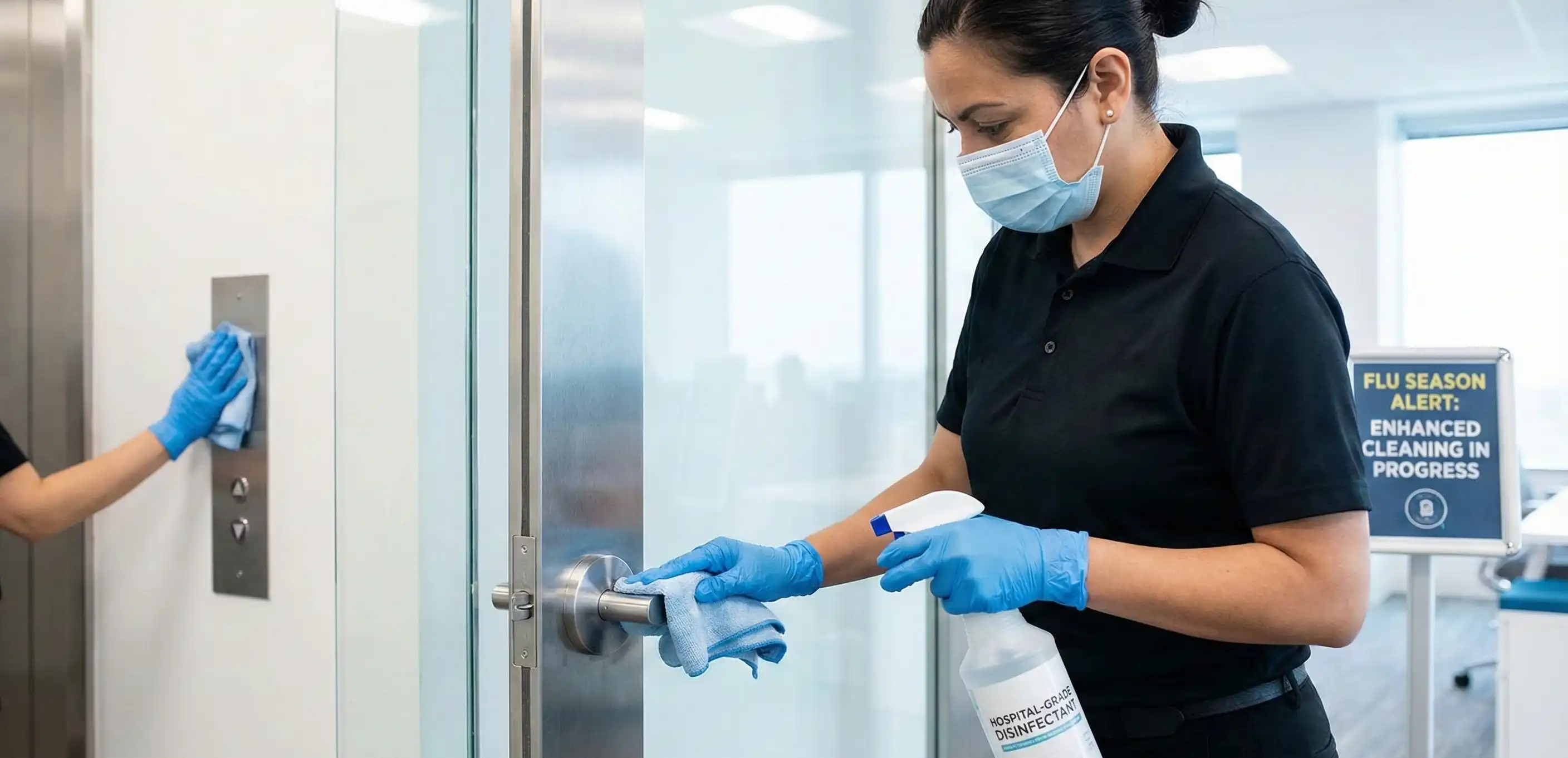
Critical High-Touch Surfaces for Winter Disinfection:
- Door handles and push plates (all interior and exterior doors)
- Elevator buttons and handrails
- Light switches and thermostats
- Shared keyboards, mice, and phones
- Copier and printer controls
- Break room appliances (microwave, refrigerator, coffee maker handles)
- Faucet handles and soap dispensers
- Conference room tables and chairs
- Reception desk and sign-in areas
- Stair railings and common area furniture
We recommend disinfecting these surfaces at least twice daily during flu season—morning and afternoon. For high-traffic offices, three times daily is even better. Use EPA-registered disinfectants with proven efficacy against influenza and coronavirus. Our daily cleaning services include comprehensive disinfection protocols using hospital-grade products that kill 99.9% of pathogens while remaining safe for employees.
Pro Tip: Create Disinfection Stations
Place disinfecting wipe stations at strategic locations throughout your office—near entrances, in conference rooms, at shared equipment areas, and in break rooms. Encourage employees to wipe down surfaces before and after use. This employee participation, combined with professional cleaning, creates multiple layers of protection against illness transmission.
4. HVAC Maintenance and Indoor Air Quality
Winter means sealed buildings and recirculated air. Unlike summer when windows can be opened for fresh air, Boston's freezing temperatures force buildings to remain closed for months. This creates a challenging indoor air quality situation—the same air circulates repeatedly, concentrating dust, allergens, and airborne pathogens. According to the EPA, indoor air can be 2-5 times more polluted than outdoor air, and this differential is most extreme during winter months.
Your HVAC system works overtime during winter, running constantly to maintain comfortable temperatures. This increased operation means faster filter contamination and more dust circulation. A neglected HVAC system doesn't just reduce air quality—it spreads contaminants throughout your entire building every time it cycles. Dust, mold spores, and bacteria that accumulate in ductwork get distributed to every room.
Winter HVAC and Air Quality Checklist:
- Replace HVAC filters monthly during winter (not quarterly)
- Upgrade to MERV-13 or higher filters for better pathogen capture
- Schedule professional duct cleaning before winter season
- Clean all visible vents and returns weekly
- Ensure humidifiers are clean (dirty humidifiers spread bacteria)
- Maintain indoor humidity between 30-50% to reduce virus survival
- Consider portable HEPA air purifiers for high-occupancy areas
- Have HVAC professionally serviced before heating season begins
Don't overlook visible dust accumulation on vents and returns—this is a sign that your system is circulating contaminated air. Our interior cleaning services include thorough vent cleaning and dusting that supports better air quality between professional HVAC maintenance visits. Clean vents also help your heating system operate more efficiently, potentially reducing energy costs.
5. Winter Restroom Maintenance: Extra Attention Required
Restrooms become germ central during winter. With increased illness circulation, more frequent handwashing (hopefully!), and wet floors from snow-covered shoes, your restrooms need extra attention during cold months. A poorly maintained restroom during flu season is essentially a transmission hub for illness—and it's often the most-used common area in any office.
Winter also brings unique restroom challenges. Wet shoes create slippery floors that require more frequent mopping. Increased hand washing depletes soap and paper towel supplies faster. Cold weather makes people more likely to use warm water at length, increasing humidity and the potential for mold growth if ventilation is inadequate.
Winter Restroom Cleaning Protocol:
- Increase cleaning frequency to at least twice daily
- Check and restock supplies multiple times per day
- Mop floors more frequently to address wet shoe traffic
- Disinfect all touch points (door handles, faucets, flush handles, dispensers)
- Use hospital-grade disinfectants rated for influenza and norovirus
- Ensure exhaust fans are functioning properly
- Deep clean grout and tile weekly to prevent mold growth
- Consider touchless fixtures to reduce cross-contamination
For offices with high foot traffic, we recommend professional restroom servicing three times daily during winter—morning, midday, and late afternoon. Our commercial cleaning services include comprehensive restroom protocols that ensure these critical spaces remain hygienic throughout the workday.
6. Break Room and Kitchen Deep Cleaning
Your break room sees more use during winter. Cold weather means fewer employees venturing out for lunch, so your kitchen and break room handle more traffic than usual. This increased use—combined with holiday gatherings, potlucks, and comfort food season—creates a perfect storm for mess accumulation and germ transmission.
The FDA recommends that commercial food preparation areas be cleaned and sanitized at least daily—and your office break room should follow similar standards. Refrigerators, microwaves, coffee makers, and shared appliances are notorious germ reservoirs. Studies have found that office coffee pot handles can harbor more bacteria than a bathroom toilet seat.
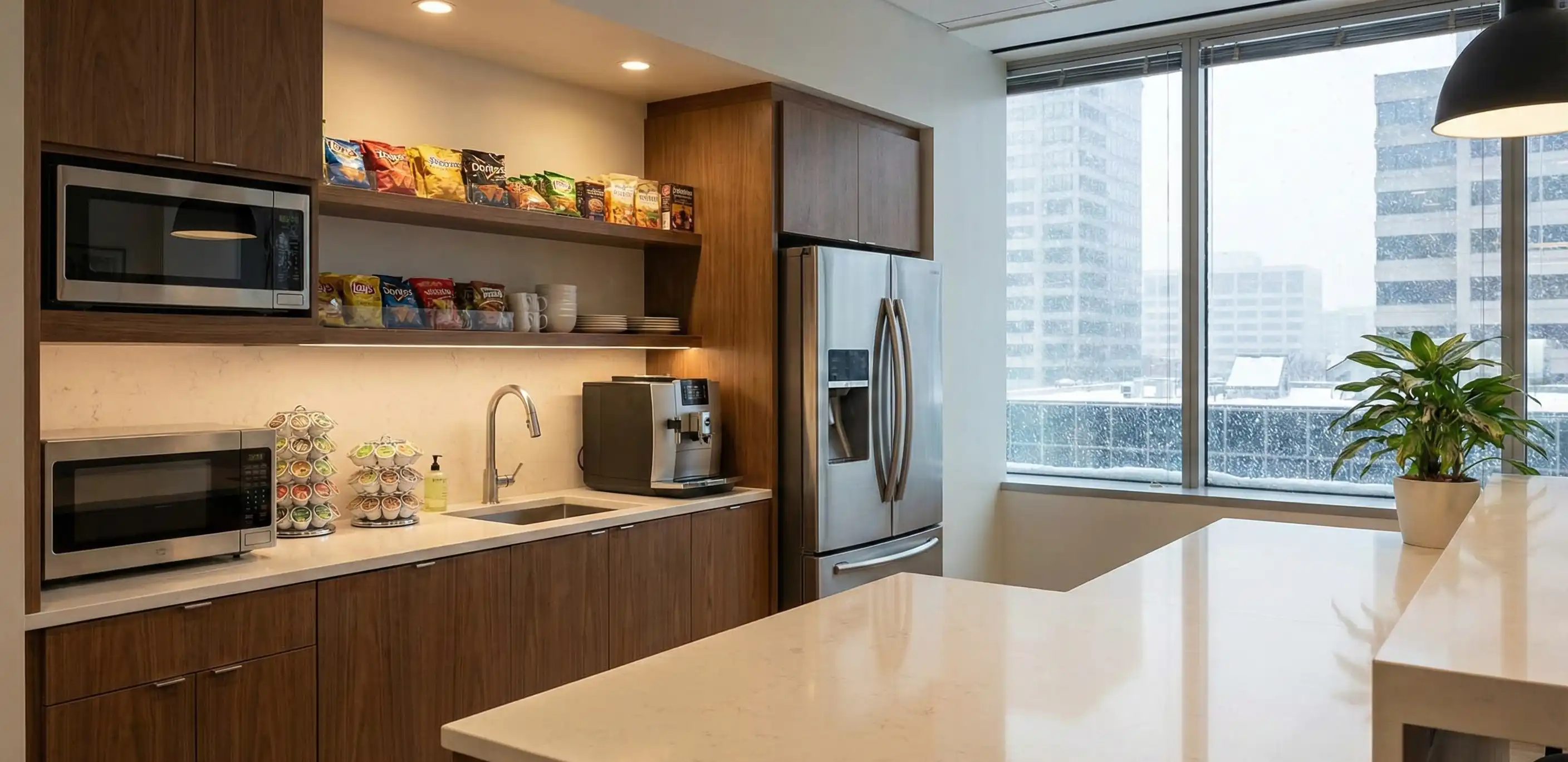
Break Room Winter Cleaning Checklist:
- Wipe down all countertops and tables multiple times daily
- Disinfect appliance handles (microwave, refrigerator, coffee maker) daily
- Clean inside of microwave daily (food splatters harbor bacteria)
- Clear and clean refrigerator weekly (set a "fridge cleanout" day)
- Empty and sanitize trash bins daily
- Clean coffee makers and water coolers weekly
- Wash dish sponges or replace frequently (sponges are bacteria magnets)
- Deep clean sink and drain weekly
- Stock extra paper towels and soap during high-use season
Holiday season adds another layer of challenge. Office parties, treats, and shared food create more mess and more germ-sharing opportunities. Consider scheduling a one-time deep cleaning after major holiday events to reset your break room to pristine condition.
7. Window and Glass Cleaning: Winter-Specific Considerations
Winter weather leaves its mark on glass surfaces. Salt spray from roads, snow melt residue, fingerprints from cold employees pressing against windows, and condensation buildup all conspire to make your windows look grimy. Plus, with shorter days and less natural light, dirty windows make your office feel darker and more oppressive during an already dreary season.
Interior glass—conference room walls, office partitions, entrance doors—also needs more attention during winter. Employees touching cold glass to check if it's cold outside, breath condensation during cold snaps, and general increased contact all contribute to smudgy, dirty glass surfaces. Clean windows and glass partitions maximize natural light penetration, which is especially important for employee wellbeing during short winter days.
Winter Glass Cleaning Schedule:
- Clean interior entrance doors and sidelights daily
- Wipe glass partitions and conference room walls weekly
- Address condensation promptly to prevent water damage
- Schedule exterior window cleaning after major storms (when safe)
- Clean interior windows monthly to maximize natural light
- Use streak-free cleaners rated for cold temperatures
- Check window seals for drafts and moisture intrusion
Natural light exposure is linked to better employee mood, productivity, and sleep patterns—all of which suffer during dark winter months. Keeping windows clean is a simple way to maximize the limited daylight available. Our interior cleaning services include comprehensive glass cleaning that keeps your office bright and professional throughout the season.
8. Emergency Storm Cleanup: Being Prepared
Boston winters bring unpredictable weather emergencies. Nor'easters, blizzards, ice storms, and sudden temperature swings create situations that require immediate cleaning response. A major snowstorm can dump inches of slush into your lobby in just a few hours as employees arrive at work. Ice storms leave hazardous conditions that need immediate attention. Being prepared for these emergencies is essential for employee safety and business continuity.
The hours immediately following a winter storm are critical. Snow tracked inside begins melting immediately, creating slip hazards. Salt and ice melt chemicals start damaging floors if not addressed quickly. Employees struggling with wet coats, boots, and bags leave water and debris throughout the office. Having a storm response plan—and the right cleaning partner—makes all the difference.
Storm Response Essentials:
- Keep emergency cleaning supplies stocked and accessible
- Have extra floor mats ready for deployment during storms
- Stock "Wet Floor" signs for high-traffic areas
- Maintain wet-dry vacuum for rapid water removal
- Have salt-neutralizing cleaner on hand
- Keep extra mop heads and towels for quick response
- Establish communication plan with your cleaning service
- Know how to request emergency after-storm cleaning
Emergency Cleaning Services
Gentle Cleaners LLC offers emergency storm response cleaning for businesses throughout Greater Boston. When a major winter storm hits, call us for rapid response cleaning that addresses flood risks, slip hazards, and salt damage before they become serious problems. We serve Boston, Cambridge, Quincy, Weymouth, and surrounding communities.
9. Monthly Deep Cleaning Schedule for Winter
Daily maintenance isn't enough during winter. The accumulated stress of salt, moisture, increased illness exposure, and sealed-building conditions requires regular deep cleaning to reset your office environment. Monthly deep cleaning addresses the buildup that daily cleaning can't fully manage—embedded carpet dirt, hidden mold growth, HVAC contamination, and more.
Think of monthly deep cleaning as preventive maintenance for your office environment. Just as you service your car to prevent breakdowns, regular deep cleaning prevents small issues from becoming major problems. It's far less expensive to maintain clean carpets than to replace them after salt damage. It's easier to control illness when you're regularly eliminating pathogen reservoirs. It's more professional to maintain consistent cleanliness than to scramble for emergency cleaning when clients visit.
Monthly Winter Deep Cleaning Checklist:
- Professional carpet extraction cleaning (especially near entrances)
- Hard floor stripping and refinishing of high-traffic areas
- Complete HVAC vent and return cleaning
- Interior window washing
- Upholstery cleaning for waiting areas and conference rooms
- Deep break room cleaning including appliance interiors
- Restroom deep cleaning including grout and drains
- Light fixture and ceiling cleaning
- Baseboard and corner deep cleaning
- Desk and workstation deep sanitization
Our weekly janitorial services can be enhanced with monthly deep cleaning visits during winter months. This combination of regular maintenance and periodic intensive cleaning keeps your office in optimal condition despite winter's challenges. We customize cleaning schedules based on your office size, traffic patterns, and specific winter concerns.
10. Supporting Employee Wellness Through Winter Cleaning
A clean office is a healthy office—and this connection is strongest during winter. Studies consistently show that clean workplaces reduce sick days by 30-50%. When employees see their workplace being kept clean and hygienic, they feel valued and protected. This psychological benefit, combined with the actual reduction in illness transmission, creates a healthier and more productive workforce.
Winter is already challenging for employee wellness. Reduced daylight affects mood and energy. Cold weather discourages outdoor activity. Holiday stress adds mental burden. The workplace shouldn't add to these challenges—it should provide a clean, healthy environment where employees can focus on their work without worrying about getting sick.

Wellness-Focused Winter Cleaning Elements:
- Use fragrance-free, non-toxic cleaning products to avoid triggering sensitivities
- Maintain consistent cleaning schedules so employees know what to expect
- Communicate cleaning efforts to staff (people appreciate knowing their health is prioritized)
- Provide hand sanitizer stations throughout the office
- Keep common areas visibly clean to reinforce hygiene culture
- Address employee cleaning concerns promptly
- Consider air quality improvements (plants, purifiers) in addition to cleaning
At Gentle Cleaners LLC, we use eco-friendly, EPA Safer Choice certified products that are effective against germs while being safe for your employees. Our cleaning teams are trained in winter-specific protocols and understand the unique challenges that Boston businesses face during cold weather months. Learn more about our eco-friendly cleaning approach and how it supports employee health.
Complete Winter Office Cleaning Checklist Summary
Here's your comprehensive winter cleaning reference guide. Use this checklist to ensure nothing falls through the cracks during Boston's demanding winter season:
| Area/Task | Frequency | Winter Priority |
|---|---|---|
| Lobby/Entryway Mopping | 2-3x Daily | Critical |
| Floor Mat Maintenance | Daily | Critical |
| High-Touch Surface Disinfection | 2-3x Daily | Critical |
| Restroom Deep Cleaning | 2-3x Daily | Critical |
| Break Room Sanitization | Daily | High |
| Carpet Vacuuming (High-Traffic) | Daily | High |
| Vent/Return Cleaning | Weekly | High |
| Interior Glass Cleaning | Weekly | Medium |
| HVAC Filter Replacement | Monthly | High |
| Professional Carpet Extraction | Monthly | High |
| Upholstery Deep Cleaning | Monthly | Medium |
| Hard Floor Deep Cleaning | Monthly | High |
Prepare Your Boston Office for Winter Today
Boston winters are challenging, but your office doesn't have to suffer. With proper preparation, consistent maintenance, and professional cleaning support, you can maintain a clean, healthy, and professional workspace throughout the coldest months. The investment you make in winter cleaning pays dividends in employee health, reduced sick days, protected flooring, and maintained professional appearance.
Don't wait until salt has permanently stained your carpets or half your staff is out sick. Start implementing these winter cleaning strategies now, and partner with professionals who understand Boston's unique seasonal challenges. For more insights on maintaining a healthy workplace year-round, check out our guides on how often your office should be cleaned and the science behind commercial cleaning health benefits.
Ready to Winter-Proof Your Office?
Gentle Cleaners LLC provides comprehensive winter cleaning services for businesses throughout Greater Boston. From daily maintenance to monthly deep cleaning and emergency storm response, we keep your office protected all winter long. Serving Boston, Cambridge, Quincy, Weymouth, and surrounding areas with eco-friendly, professional cleaning solutions.
Call us today at (781) 901-5590 or request a free winter cleaning assessment.
Latest Articles
 Office Tips
What Your Office Restroom Says About Your Business: A Boston Commercial Restroom Cleaning Guide
June 25, 2026
•12 min read
 Seasonal Tips
Summer Office Cleaning Checklist: Keeping Your Boston Workplace Fresh All Season
June 18, 2026
•11 min read
 Buyer's Guide
How Much Does Commercial Cleaning Cost in Boston? 2026 Pricing Guide
May 22, 2026
•14 min read